
John & the Synoptics
Part II: Analyzing Mark Goodacre's Arguments

I recently had a book review published on Mark Goodacre’s new book The Fourth Synoptic Gospel: John’s Knowledge of Matthew, Mark, and Luke which you can read here. And in a recent post, I gave some background to the relationship between the Gospel of John and the Synoptic Gospels and set the stage for some of Goodacre’s arguments. If you haven’t read that post yet, I’d recommend doing so! To reiterate, Goodacre suggests that the author of John knew and used the Synoptic Gospels to write their story about Jesus. In today’s post, we’re going to look at some of these arguments in detail.
Goodacre’s Key Arguments for a Literary Connection
While there are some striking differences in narrative order between John and the Synoptics, such as Jesus’s “cleansing of the Temple” in Jerusalem, Goodacre demonstrates that most of the narrative structure is the same. He provides a list of 23 passages found in all four canonical gospels and shows that only three of them are found in different places in the Gospel of John. Goodacre says that such parallels are important because they “suggest a literary link rather than a link deriving from oral tradition” (p. 33). Several instances in John may even demonstrate more direct literary connections. The most powerful example may be found in the comparison of a story found in Mark, Matthew, and John, where a woman anoints Jesus with expensive perfume. There are specific phrases that appear in all three versions of this story such as, “For you will always have the poor with you” and the disciples lament that the valuable perfume was not sold and “the money given to the poor.” For Goodacre, this shared phrasing suggests a literary connection.
Goodacre also points out that John and Luke are the only gospels in which the name “Lazarus” appears, albeit in different contexts. The sisters Mary and Martha also only appear in John and Luke. This does not necessarily provide solid evidence that John knew and used Luke, so Goodacre looks to places where John appears to use Lukan redactions of Mark. A prominent example is in the Lukan and Johannine descriptions of Judas’s betrayal of Jesus in which “Satan entered into" Judas. Normally, John has a preference for the Greek word διάβολος (devil), but in this one instance, he uses Σατανᾶς (Satan) just as Luke does. One possible explanation for why John does this may be explained if John knew and used Luke’s version of this story (p. 59).
There are also several events or details from the Synoptics which are alluded to in John but are not narrated in the story. On one occasion, for instance, Jesus says, “Did I not choose you, the Twelve?” (John 6:70), but John only narrates the call of five disciples whereas the Synoptics provide complete lists of twelve. The arrest of John the Baptizer provides another example, where John says that the Baptizer had not yet been thrown in prison (John 3:24) but there is no narration of the arrest itself. The character of Lazarus, furthermore, is introduced as the brother of Mary and Martha, both of whom the reader is expected to know already (John 11:1-3). John also includes a reference to Mary wiping Jesus’s feet with her hair, even though that event does not occur in John until the following chapter. I found these examples to be the most powerful arguments from Goodacre because they seem to suggest that the author of John was presupposing their audience’s knowledge of those events in the Synoptics.
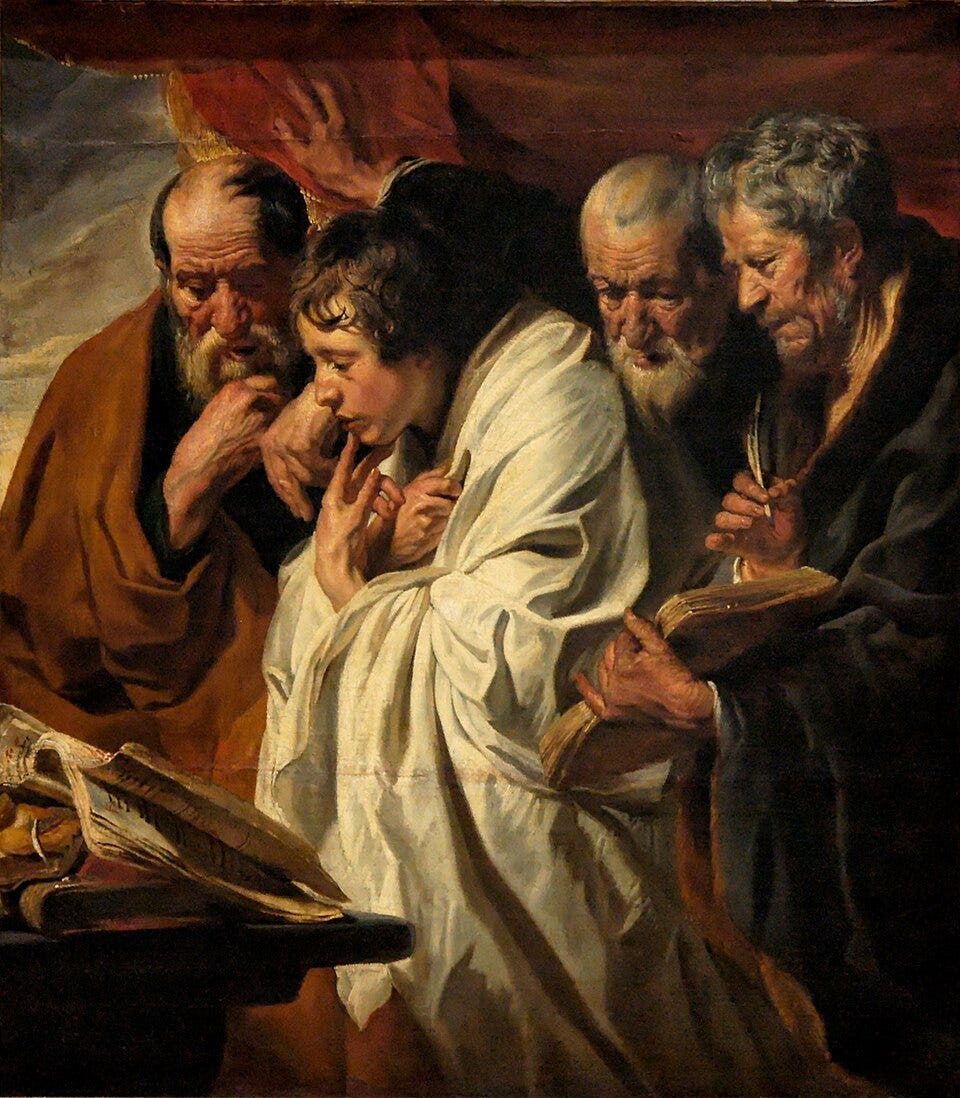
-Jacob Jordaens, The Four Evangelists, 1625–1630. Source: By Jacob Jordaens - Marie-Lan Nguyen (2005), Public Domain, https://commons.wikimedia.org/w/index.php?curid=933691.
Possible Critiques
As I mentioned in Part I of this series, I think the concept of oral tradition lurks as an unpleasant presence behind Goodacre’s claims. I don’t think we should just shout “oral tradition!” any time we run into trouble demonstrating literary relationships between ancient texts. But, for the sake of comparison, let’s consider the relationship between the Synoptic Gospels. We are confident that Mark, Matthew, and Luke have a literary relationship because there are examples of verbatim literary agreement between them as well as places of near verbatim agreement where a later author, like Matthew redacting Mark, displays a minor edition or omission. Here are some examples from my previous piece on the Synoptic Problem:
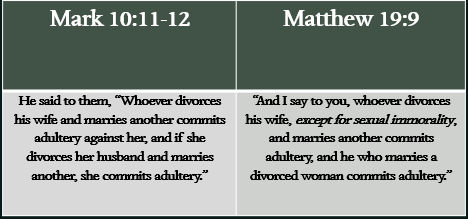
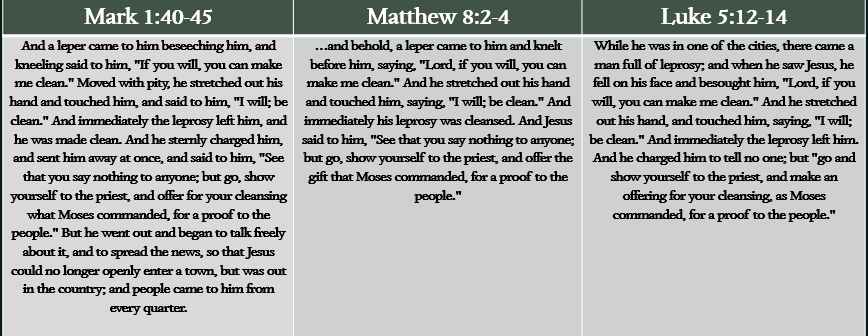
In short, confidence in the literary relationship between the Synoptics comes from frequent verbatim agreements, but many of the textual similarities Goodacre offers between John and the Synoptics hinge on similar themes or narrative structures, which does not strongly suggest a literary relationship but may be equally (or better) explained by oral tradition.
I also did not find all of Goodacre’s “shared themes” between John and the Synoptics to be particularly convincing. In an early chapter of the book, for example, he suggests that both Mark and John share the theme of the Messianic Secret. In the Gospel of Mark, the Messianic Secret is a literary motif in which Jesus repeatedly hides his identity. He’ll heal someone and tell them not to tell anyone about it (Mark 5:43) or he’ll tell his disciples to remain silent about him being the Christ or Messiah (Mark 8:30). In Mark, Jesus frequently tries to keep his identity and activity in the shadows. But in the Gospel of John, Jesus is quite forthright about his identity and does not instruct silence from those he interacts with. Goodacre points to Jesus hiding from hostile crowds and avoiding groups who were in opposition to him in the Gospel of John as evidence for a Messianic Secret motif. But neither of these constitute an attempt on Jesus’s behalf to keep his messianic identity a secret. So, I came away from reading this book feeling like some of the supposed connections Goodacre was trying to make between John and the Synoptics were unconvincing.
Conclusion
Goodacre has been a strong and influential scholar in the field for several decades at this point. I think he’s done vital work in pushing the conversations within New Testament scholarship in directions they otherwise might not have gone, and I think his most recent book is another example of this. While I remain on the fence about whether John knew and used the Synoptics, some of the arguments I encountered here have made me consider the topic anew. I certainly recommend the book to those interested in the New Testament and Christian origins and would be interested to hear which side of the debate you all land on.
Reading Suggestions:
-The Fourth Synoptic Gospel: John’s Knowledge of Matthew, Mark, and Luke by Mark Goodacre